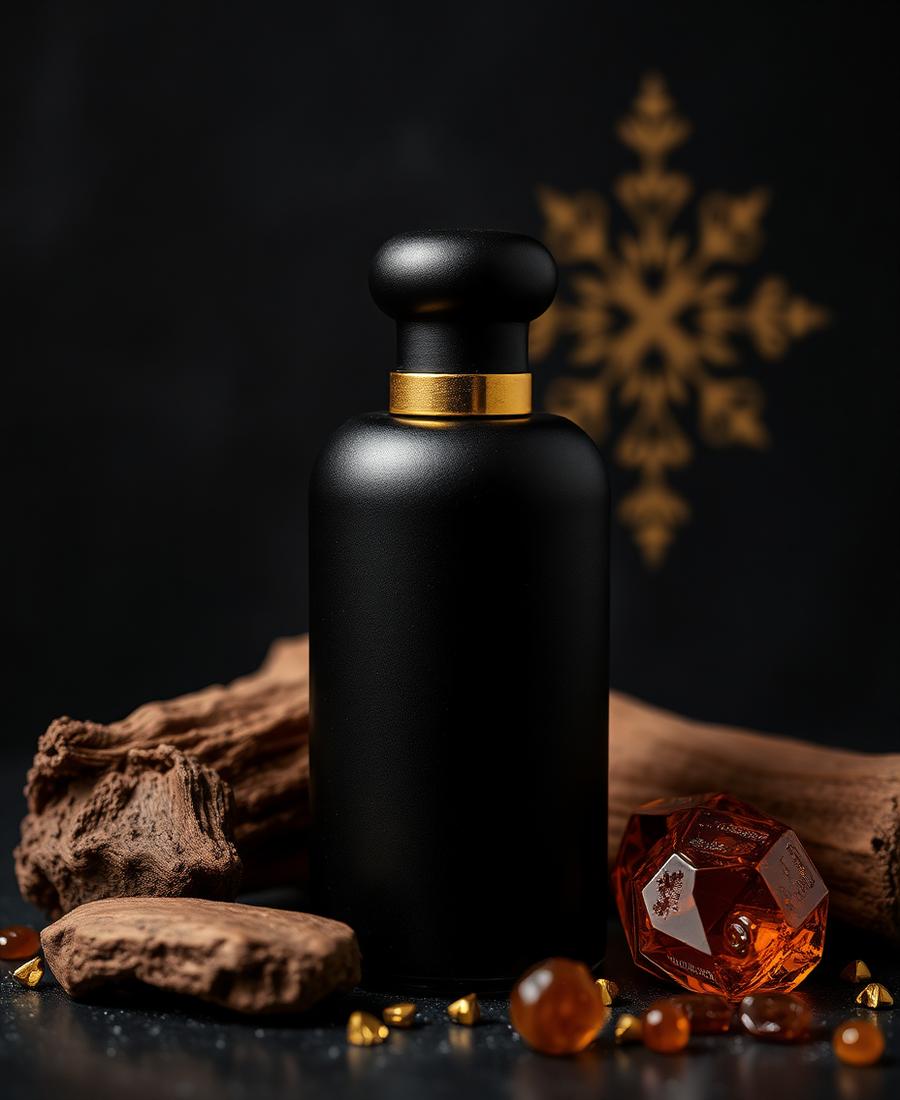
Oud (also called agarwood, or oudh) is the resin produced by the Aquilaria tree in response to a fungal infection. Uninfected trees produce no oud at all; infected trees produce it slowly, over decades, as a defence mechanism.
Pure Cambodian or Assam oud oil costs more per gram than gold — which is why the "oud" in almost every commercial fragrance is either synthesised, blended with a small amount of real oud, or used as an accord that mimics oud's character rather than the raw material itself.
What oud smells like
Deep, resinous, slightly leathery, often with hints of smoke and dried fruit. In cheaper interpretations it can feel medicinal; in the good ones it feels dense and honeyed and alive.
Our Oud Noir
Uses a blend of natural Cambodian oud oil (0.5%) with cultured oud molecules (Firmenich's Ambrocenide and IFF's Ambroxan) to build depth without the eye-watering price of pure agarwood. The result is a fragrance that reads as unmistakably oud, without asking you to pay $600 for a bottle.