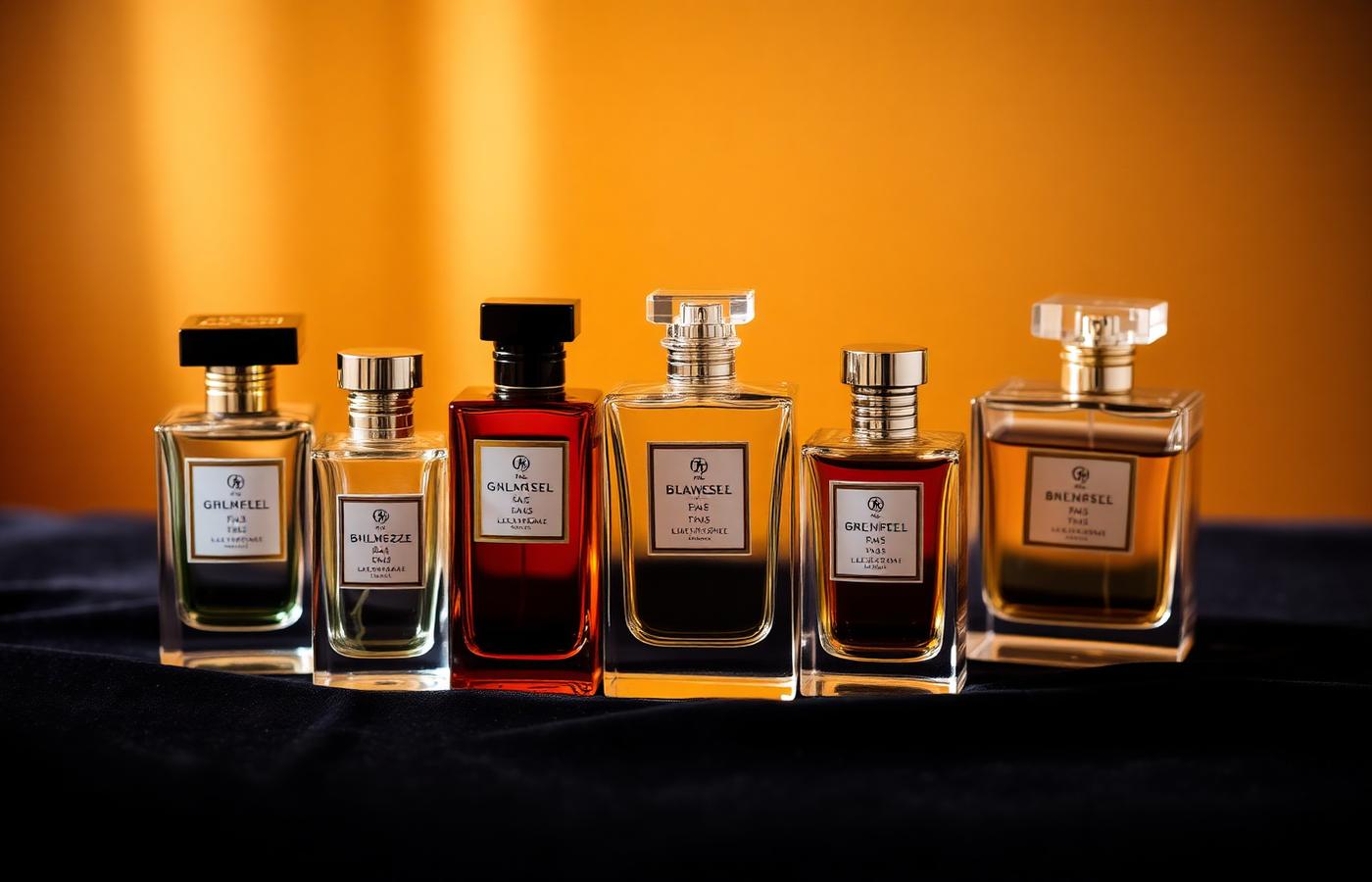
If you've ever stood in front of a fragrance counter feeling completely lost, you're not alone. Perfumery has its own vocabulary, and most brands are more interested in telling you a story than in helping you understand what you're actually smelling.
Here's the short version: nearly every commercial perfume ever made falls into one of seven broad families. Once you know which family you gravitate toward, choosing a new fragrance becomes ten times easier.
1. Florals
The biggest family. Anything built around a flower — rose, jasmine, tuberose, peony, lily. Fresh florals feel like a garden after rain; white florals (jasmine, tuberose, gardenia) feel more sensual and are often worn in the evening.
2. Woods
Sandalwood, cedar, vetiver, patchouli, oud. These give a fragrance its backbone and its longevity — the reason a scent still hums on your skin twelve hours after you spray it.
3. Gourmands
Anything that smells edible. Vanilla, caramel, chocolate, honey, coffee. Warm, comforting, and often surprisingly complex when combined with woods or florals.
4. Chypres
Pronounced "sheep-ruh". A classic French structure: bergamot at the top, floral heart, oakmoss and patchouli in the base. Feels sophisticated and slightly retro — think grown-up.
5. Orientals (Amber)
Warm, spicy, resinous. Amber, benzoin, labdanum, incense, cinnamon. These are the fragrances that make people ask you what you're wearing across a room.
6. Fougères
Traditionally the "men's" family, though that convention is fading. Lavender, coumarin, oakmoss, geranium. Aromatic and slightly herbal.
7. Citrus
Bright, sparkling, and typically the shortest-lasting. Bergamot, lemon, grapefruit, mandarin. Beautiful in summer or as the opening of a longer composition.
Finding your family
Most people have a natural preference — often one they've had since childhood without realising it. If you always reach for vanilla-scented candles, you're likely a gourmand person. If you love the smell of a forest after rain, you're a woody person. Start there, and let one fragrance lead you to the next.